
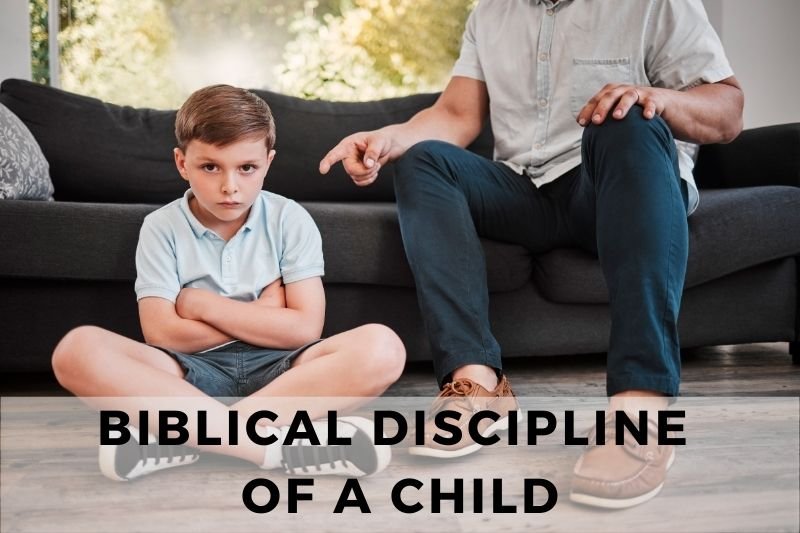
Disciplining a child is a serious responsibility. The Bible provides clear guidance on how parents should correct and train their children. Biblical discipline is not about punishment but about teaching and guiding in love. It reflects how God disciplines His children for their growth. Many parents struggle with finding the right balance between correction and encouragement.
The goal is to shape a child’s character while maintaining a loving relationship. This requires wisdom, patience, and consistency. Understanding biblical principles helps parents avoid harmful practices. It also ensures discipline leads to long-term growth, not resentment.
The Biblical Foundation of Discipline
The Bible clearly teaches that discipline is an act of love. Proverbs 13:24 states, “Whoever spares the rod hates their child, but the one who loves their children is careful to discipline them.” This verse does not promote harsh punishment but emphasizes correction as a sign of care. Hebrews 12:11 reinforces this by saying, “No discipline seems pleasant at the time, but painful. Later on, however, it produces a harvest of righteousness and peace for those who have been trained by it.” Discipline should not be about control or anger but about guiding a child toward righteousness.
There is a difference between worldly discipline and biblical discipline. Worldly discipline often focuses on behavior modification without addressing the heart. It relies on fear, shame, or punishment to enforce obedience. In contrast, biblical discipline aims to train a child’s heart to understand right from wrong (Proverbs 22:6). It teaches obedience out of love and respect, not fear of punishment. Ephesians 6:4 warns against provoking children to anger but instructs parents to bring them up in the discipline and instruction of the Lord. This means discipline should be patient, intentional, and rooted in biblical truth.
God’s discipline of His children is the perfect model for parental discipline. Hebrews 12:6 says, “The Lord disciplines the one He loves.” God’s discipline is never cruel or without purpose. It corrects, teaches, and strengthens faith. Just as God disciplines with mercy and justice, parents should correct their children with both firmness and compassion. Psalm 103:13-14 reminds parents that God is compassionate and remembers human weakness. In the same way, parents must discipline with understanding, knowing their children are still learning and growing.
How to Practice the Biblical Discipline of a Child
#1. Discipline in Love, Not Anger (Proverbs 13:24, Ephesians 6:4)
Biblical discipline must always come from a place of love, not frustration or rage. Proverbs 13:24 states that loving parents discipline their children, not to harm them, but to guide them. Discipline given in anger can damage a child’s heart and lead to resentment. Ephesians 6:4 warns parents not to provoke their children to anger but to bring them up in the instruction of the Lord. If a parent disciplines while angry, they risk reacting emotionally rather than biblically. It is important to pause, pray, and correct with wisdom, ensuring that discipline is about instruction, not retaliation.
#2. Consistency and Fairness (Colossians 3:21)
Inconsistency in discipline confuses children and weakens its effectiveness. Colossians 3:21 warns, “Fathers, do not embitter your children, or they will become discouraged.” When discipline is unpredictable, children may feel insecure or frustrated. Parents must establish clear expectations and follow through with appropriate consequences. Discipline should also be fair, meaning that the punishment fits the offense. Overly harsh discipline can break a child’s spirit, while leniency can lead to disobedience. A child should always understand why they are being corrected and see that the consequence is connected to their behavior.
#3. Teaching Through Correction (Proverbs 29:15)
Discipline is not just about stopping bad behavior; it is about teaching the right way to live. Proverbs 29:15 says, “The rod and reproof give wisdom, but a child left undisciplined brings shame to his mother.” Correction should always include instruction, showing the child what they should do differently. Simply punishing without teaching does not help a child grow in wisdom. When a child disobeys, parents should explain why the action was wrong and guide them toward the right choice. Teaching biblical values through discipline prepares children to make wise decisions as they grow.
#4. Leading by Example (Deuteronomy 6:6-7)
Children learn more from what they see than what they are told. Deuteronomy 6:6-7 commands parents to teach God’s Word diligently to their children. This means discipline is not just about correction but also about modeling godly behavior. If parents expect their children to be honest, respectful, and self-controlled, they must demonstrate these traits themselves. Hypocrisy in parenting weakens discipline because children will not take correction seriously if they see their parents acting contrary to what they teach. By living out biblical principles, parents provide a strong foundation for their child’s moral and spiritual development.
Methods of Biblical Discipline of a Child
Discipline should be intentional, rooted in Scripture, and designed to shape a child’s heart, not just their behavior. Biblical discipline involves more than punishment; it is a process of instruction, correction, and guidance. Parents must use methods that align with God’s Word, ensuring that discipline is both firm and loving. Below are key biblical methods for disciplining a child effectively.
#1. Instruction Before Correction (Proverbs 22:6)
Before discipline takes place, a child must first be taught what is right. Proverbs 22:6 says, “Train up a child in the way he should go, and when he is old, he will not depart from it.” This means parents should proactively teach biblical values, helping children understand what God expects. Clear rules based on Scripture give children guidance and prevent unnecessary discipline. Parents should consistently reinforce these values in everyday life, ensuring that correction is not just about stopping bad behavior but also about training in righteousness.
#2. Using Natural Consequences When Appropriate (Galatians 6:7)
Not all discipline requires direct punishment. Sometimes, allowing a child to experience the natural consequences of their actions is the best lesson. Galatians 6:7 says, “A man reaps what he sows.” If a child refuses to do their homework, the natural consequence may be receiving a lower grade. If they refuse to share, they may find that others do not want to share with them. Natural consequences help children understand cause and effect, reinforcing responsibility without unnecessary intervention. However, parents must ensure that consequences do not put the child in danger or cause harm beyond what is reasonable.
#3. Applying Firm but Measured Discipline (Proverbs 29:17)
Correction should be firm, but it should never be excessive. Proverbs 29:17 states, “Discipline your son, and he will give you rest; he will bring delight to your soul.” Biblical discipline includes setting clear consequences for disobedience and following through. Whether it is loss of privileges, extra responsibilities, or other appropriate forms of discipline, parents must be consistent. Inconsistent discipline confuses children and leads to rebellion. At the same time, parents must avoid overly harsh punishment that discourages rather than instructs (Ephesians 6:4).
#4. Rebuke and Redirect with Scripture (2 Timothy 3:16)
Correction should always be rooted in Scripture. 2 Timothy 3:16 states, “All Scripture is God-breathed and is useful for teaching, rebuking, correcting and training in righteousness.” When disciplining, parents should explain what the Bible says about the behavior and why it is wrong. Instead of simply saying, “Don’t do that,” they can point to relevant verses that teach godly behavior. This helps children understand that they are accountable to God, not just their parents. Using Scripture in discipline reinforces biblical values and trains children to seek God’s wisdom in their actions.
#5. Restoring the Relationship After Discipline (Colossians 3:13)
Discipline should always end with reconciliation. Colossians 3:13 encourages believers to forgive as the Lord forgave them. After correction, parents should assure the child of their love, reinforcing that discipline was given for their good. Harsh discipline without restoration can lead to bitterness and distance. After consequences are given, taking time to pray with the child, discuss what was learned, and offer encouragement helps maintain a strong relationship. The goal is not to create fear but to cultivate respect and trust, showing the child a reflection of God’s grace.
Avoiding Common Mistakes in Discipline
Discipline is necessary for raising godly children, but it must be done wisely. Many parents make mistakes that weaken the effectiveness of correction or cause unintended harm. Biblical discipline requires self-control, wisdom, and consistency to guide a child in righteousness. Below are common mistakes parents should avoid and biblical principles to ensure discipline remains godly and effective.
#1. Disciplining in Anger (James 1:20)
One of the biggest mistakes parents make is correcting their child out of frustration. James 1:20 states, “The anger of man does not produce the righteousness of God.” When discipline is motivated by anger, it can become harsh and punitive rather than instructional. A parent who yells, threatens, or physically disciplines a child in frustration risks damaging the relationship. Correction should come from a place of self-control, not rage. If emotions are high, parents should take a moment to pray, calm down, and then address the issue with clarity and love.
#2. Inconsistency in Discipline (Ecclesiastes 8:11)
When discipline is unpredictable, children become confused and may test boundaries. Ecclesiastes 8:11 warns, “When the sentence for a crime is not quickly carried out, people’s hearts are filled with schemes to do wrong.” If rules are enforced sometimes but ignored at other times, children will struggle to take discipline seriously. Parents should set clear expectations and follow through every time, ensuring that consequences are fair and consistent. A child should never wonder if their behavior will be ignored or punished based on a parent’s mood.
#3. Failure to Explain the Reason for Discipline (Proverbs 4:7)
Discipline without explanation is ineffective. Proverbs 4:7 teaches, “Wisdom is the principal thing; therefore, get wisdom: and with all thy getting get understanding.” If a child does not understand why their behavior is wrong, they may obey out of fear rather than conviction. Parents should take time to explain what the child did wrong, why it was wrong, and what the Bible teaches about it. Using Scripture in correction helps a child see discipline as an act of teaching, not just punishment.
#4. Being Too Harsh or Overly Permissive (Ephesians 6:4, Proverbs 23:13-14)
Both extremes—excessive harshness and lack of correction—are harmful. Ephesians 6:4 warns fathers not to provoke their children to wrath, but to bring them up in the instruction of the Lord. Overly harsh discipline can break a child’s spirit, leading to resentment and rebellion. On the other hand, failing to discipline at all leads to disobedience and lack of self-control. Proverbs 23:13-14 teaches that proper correction leads a child away from destruction. A balanced approach includes both firm correction and loving encouragement.
#5. Neglecting to Show Love After Discipline (Colossians 3:21)
Discipline should never leave a child feeling unloved or rejected. Colossians 3:21 warns, “Fathers, do not embitter your children, or they will become discouraged.” After correcting a child, parents should reassure them of their love and offer comfort. Failure to restore the relationship can lead to insecurity and resentment. A simple hug, words of affirmation, or praying together after discipline reinforces that correction was done for the child’s good, not out of frustration or rejection.
#6. Not Modeling the Behavior You Expect (Deuteronomy 6:6-7)
Children learn more from their parents’ actions than from their words. Deuteronomy 6:6-7 commands parents to teach God’s commands diligently to their children, living them out daily. If parents expect honesty, patience, and self-control, they must display those qualities themselves. Discipline loses credibility when parents do not follow the same moral standards they enforce. Leading by example strengthens a child’s understanding of biblical values and makes correction more effective.
Closing Thoughts
Disciplining a child is a serious responsibility that requires wisdom, patience, and biblical guidance. Godly discipline is not about punishment but about training a child’s heart to follow righteousness. When done correctly, it reflects God’s own discipline—firm yet loving, corrective yet encouraging. Parents must approach discipline with consistency, fairness, and self-control, ensuring that correction is rooted in Scripture and not driven by anger or frustration.
The goal of biblical discipline is to help children grow in wisdom and character so they may honor God with their lives. Proverbs 22:6 reminds parents to train up a child in the way they should go, trusting that the lessons learned will stay with them into adulthood. Through prayer, teaching, and godly correction, parents can fulfill their calling to raise children who walk in truth.
May every parent seek God’s wisdom in discipline, leading their children with love, grace, and biblical truth. “Whatever you do, do it all for the glory of God.” (1 Corinthians 10:31)