
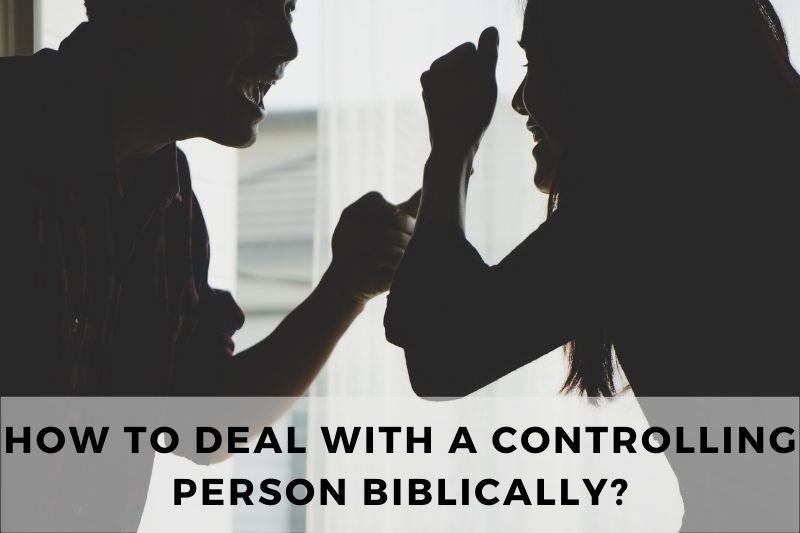
Dealing with a controlling person can be difficult and exhausting. They manipulate, pressure, and dominate others to maintain control. This behavior can harm relationships and emotional well-being. The Bible offers wisdom on handling such challenges with grace and truth. God calls believers to seek wisdom, set boundaries, and respond with love.
Scripture teaches that fear should not dictate actions, and truth should be spoken with kindness. A biblical approach helps maintain peace while standing firm in faith. Understanding how to respond can protect your heart and honor God in every interaction.
Biblical Principles for Responding to a Controlling Person
The Bible provides clear guidance on dealing with people who try to manipulate or dominate others. A controlling person may pressure you to act against your convictions, dismiss your feelings, or create an unhealthy power dynamic in relationships. Responding biblically requires wisdom, love, and firm boundaries. Here are key principles to follow:
- Seek Wisdom and Discernment – The Bible instructs believers to trust in God’s wisdom rather than relying solely on personal judgment. Proverbs 3:5-6 reminds us to trust in the Lord with all our hearts and acknowledge Him in all our ways. Pray for discernment to recognize manipulative behaviors and for wisdom on how to respond in a way that honors God.
- Set Healthy Boundaries – Boundaries are essential for protecting your emotional, spiritual, and mental well-being. Proverbs 4:23 instructs believers to “guard your heart, for everything you do flows from it.” Galatians 6:5 reminds us that each person is responsible for their own actions. A controlling person may try to overstep boundaries, but setting limits helps maintain healthy relationships and prevents them from taking advantage of you.
- Respond with Love, Not Fear – A controlling person may use intimidation or emotional manipulation to create fear. However, 2 Timothy 1:7 declares that God has not given believers a spirit of fear but of power, love, and self-discipline. Instead of responding with anxiety or aggression, approach the situation with confidence in God’s strength. Love does not mean allowing someone to manipulate you, but it does mean acting with patience and kindness even when setting limits.
- Speak the Truth in Love – Avoiding confrontation may feel easier, but Ephesians 4:15 teaches that believers should speak the truth in love. Addressing the problem directly with honesty and kindness can prevent resentment and misunderstandings. Be clear about how their controlling behavior affects you and what changes are necessary for a healthy relationship. Truth spoken in love can lead to growth and transformation, both for you and the other person.
How to Biblically Deal with a Control-Freak
#1. Recognize the Signs of Controlling Behavior
The first step in dealing with a controlling person is identifying their behavior. Controlling individuals often manipulate, pressure, or intimidate others to maintain dominance. They may dismiss your opinions, demand compliance, or create an atmosphere of fear or guilt. Some use emotional tactics, such as excessive criticism or withholding affection, to control outcomes. Recognizing these patterns helps in setting boundaries and responding biblically.
The Bible warns against those who seek to dominate others for selfish gain. Proverbs 29:25 states, “Fear of man will prove to be a snare, but whoever trusts in the Lord is kept safe.” A controlling person may try to instill fear, but trusting in God provides security and wisdom to navigate these interactions. Identifying controlling behavior early allows for proactive, faith-based responses.
#2. Seek Wisdom and Discernment from God
Handling a controlling person requires godly wisdom. Relying on emotions alone can lead to frustration, but seeking God’s guidance ensures the right approach. James 1:5 encourages believers to ask God for wisdom, promising that He will give it generously. Prayer and Scripture study help discern whether to confront, set limits, or seek outside support.
Jesus demonstrated perfect wisdom in dealing with those who opposed Him. He did not allow manipulation but responded with truth and authority (Matthew 22:15-22). When faced with a controlling person, take time to pray before acting. Ask God for discernment to see through manipulation and respond with grace while standing firm in truth.
#3. Establish Healthy Boundaries
Setting boundaries is essential when dealing with a controlling person. Without clear limits, they will continue to overstep and manipulate. Proverbs 4:23 instructs believers to guard their hearts, which includes protecting emotional and spiritual well-being. Galatians 6:5 reminds Christians that each person must take responsibility for their own actions, reinforcing the need to maintain control over personal choices.
Boundaries should be communicated clearly and consistently. Let the person know what behavior is unacceptable and what consequences will follow if those boundaries are ignored. Jesus set boundaries, withdrawing from crowds when necessary (Luke 5:16) and refusing to comply with manipulative demands (Luke 4:1-13). Following His example, believers should maintain boundaries that protect their peace and align with God’s will.
#4. Respond with Love, Not Fear
Fear often fuels controlling relationships. A person may feel powerless and comply with manipulation out of fear of conflict, rejection, or punishment. However, 2 Timothy 1:7 assures that God gives His people a spirit of power, love, and self-discipline—not fear. Responding in love means acting with patience, self-control, and wisdom, rather than reacting out of fear or anger.
Jesus demonstrated love even when confronted by those who sought to control Him. He remained calm, firm, and truthful. Love does not mean tolerating abuse or allowing sin to persist unchecked. Instead, it means addressing issues with kindness and strength, standing firm in faith while refusing to be controlled by fear.
#5. Confront the Issue with Boldness and Grace
At times, addressing controlling behavior directly is necessary. Avoiding confrontation may seem easier, but it often allows unhealthy patterns to continue. Ephesians 4:15 encourages believers to speak the truth in love. A gentle but firm confrontation can bring clarity and accountability, leading to potential change.
Jesus confronted those who acted unjustly, speaking with authority but without hostility (Matthew 21:12-13). When confronting a controlling person, choose your words carefully, remain calm, and focus on specific behaviors rather than attacking the person. Trust God for the outcome, knowing that truth spoken with grace honors Him.
#6. Limit Their Influence Over Your Life
A controlling person thrives on power. If they are allowed too much influence, they can shape decisions, emotions, and spiritual growth in unhealthy ways. The Bible teaches that believers should be careful about who they allow to impact their lives. Proverbs 13:20 states, “Walk with the wise and become wise, for a companion of fools suffers harm.” Limiting the influence of a controlling person is a form of wisdom.
This does not mean cutting off every difficult person, but it does mean being intentional about relationships. Avoid situations where they have unchecked authority over your choices. Seek God’s will rather than being pressured into submission. If their influence hinders spiritual growth, it may be necessary to create distance and refocus on God’s direction.
#7. Lean on a Supportive Christian Community
Dealing with a controlling person can be overwhelming, but no one has to face it alone. The Bible emphasizes the importance of community and support. Ecclesiastes 4:9-10 reminds believers that two are better than one because they can help each other in difficult times. Seeking guidance from trusted Christians provides strength and accountability.
A healthy Christian community offers prayer, encouragement, and wisdom. Proverbs 11:14 states, “For lack of guidance a nation falls, but victory is won through many advisers.” Whether through a church, small group, or Christian counselor, having support helps in navigating difficult relationships biblically. Surrounding oneself with godly people ensures clarity and strength in handling controlling behavior.
#8. Trust God for Healing and Strength
Being in a relationship with a controlling person can cause emotional and spiritual wounds. Healing takes time, but God is faithful to restore and strengthen those who seek Him. Psalm 147:3 declares, “He heals the brokenhearted and binds up their wounds.” Surrendering pain to God allows His healing work to take place.
God also provides strength to move forward. Isaiah 41:10 reminds believers not to fear because He is with them. No matter how draining the situation, trusting in God’s power brings renewal. By placing faith in Him, Christians can break free from control, walk in confidence, and embrace His peace.
When to Walk Away: Biblical Insights
There are times when dealing with a controlling person becomes unhealthy and unsustainable. The Bible does not call believers to endure harmful relationships at all costs. Jesus Himself instructed His disciples to walk away when people refused to receive the truth. In Matthew 10:14, He said, “If anyone will not welcome you or listen to your words, leave that home or town and shake the dust off your feet.” When someone continually disregards boundaries, manipulates, or causes harm, it may be necessary to step away. Walking away is not about revenge or resentment but about protecting one’s spiritual, emotional, and mental well-being.
Trusting God’s plan for freedom is essential. 2 Corinthians 3:17 states, “Now the Lord is the Spirit, and where the Spirit of the Lord is, there is freedom.” A controlling person often thrives on keeping others in bondage—whether through fear, guilt, or obligation. But God’s will is for His people to live in the freedom He provides. This may mean limiting contact with someone who refuses to respect boundaries or stepping away from a toxic relationship entirely. Trusting God in these situations allows Him to guide and provide, even when leaving feels difficult.
Seeking wise counsel before making a decision is important. Proverbs 11:14 states, “Where there is no guidance, a people falls, but in an abundance of counselors there is safety.” A trusted pastor, Christian mentor, or close friend can provide biblical insight and encouragement. Walking away is not always the first solution, but when a person’s controlling behavior persists despite efforts to address it, it may be the right choice. Godly wisdom helps determine the best course of action while ensuring that decisions are made in alignment with Scripture and God’s will.
Closing Thoughts
Dealing with a controlling person requires wisdom, strength, and reliance on God. The Bible provides guidance on setting boundaries, speaking truth in love, and responding with grace. While it is important to address issues directly, it is equally crucial to recognize when someone refuses to change. God does not call believers to live under manipulation or fear but to walk in His truth and freedom.
Trusting God through this process brings clarity and peace. He provides wisdom for handling difficult relationships and strength to walk away when necessary. Seeking support from a strong Christian community ensures accountability and encouragement. No one has to face these challenges alone. God’s presence and His Word are always available for guidance.