
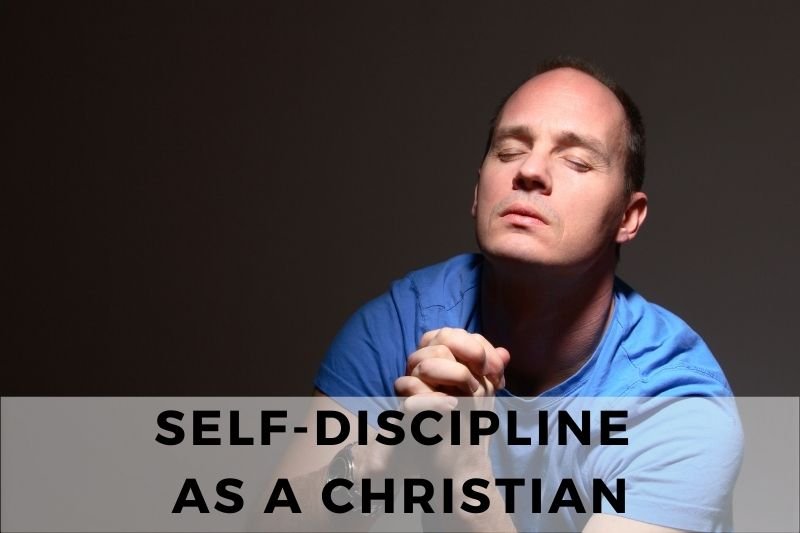
Christian self-discipline is essential for spiritual growth. It helps believers resist sin, stay committed to prayer, and live according to God’s will. Without discipline, it is easy to drift away from faith and fall into bad habits. The Bible repeatedly calls Christians to self-control, perseverance, and obedience.
Discipline strengthens character and deepens a believer’s relationship with God. It is not about legalism but about pursuing holiness with purpose. Every believer must develop habits that align with God’s Word. Mastering self-discipline requires effort, prayer, and reliance on the Holy Spirit. This guide will help you build a disciplined Christian life.
What Is Self-Discipline in Christianity?
Christian self-discipline is the ability to control desires, emotions, and actions in obedience to God. It involves making choices that align with biblical teachings, even when they are difficult. The Apostle Paul emphasized this in 1 Corinthians 9:27, where he said, “I discipline my body and keep it under control, lest after preaching to others I myself should be disqualified.” This means self-discipline is not just about personal effort but about submitting to God’s will and keeping faith at the center of life.
True self-discipline is not about self-reliance but dependence on God’s strength. Proverbs 3:5-6 teaches, “Trust in the Lord with all your heart, and do not lean on your own understanding.” Many struggle with self-control because they try to overcome weaknesses by their own power. However, Galatians 5:22-23 lists self-control as a fruit of the Holy Spirit. This means discipline grows in a believer’s life when they walk closely with God, allowing His Spirit to shape their character.
Self-discipline is also about consistent obedience. Jesus said in Luke 9:23, “If anyone would come after me, let him deny himself and take up his cross daily and follow me.” This means following Christ requires daily decisions to put God’s will above personal comfort. Discipline is needed to resist sin, stay committed to prayer, and grow spiritually. It is not about perfection but about steady progress in faith and obedience.
Biblical Foundations of Self-Discipline
Self-discipline is a command, not an option, for believers. The Bible repeatedly emphasizes self-control, perseverance, and obedience as essential traits of a faithful Christian life. 2 Timothy 1:7 states, “For God gave us a spirit not of fear but of power and love and self-control.” This verse makes it clear that self-discipline is a gift from God, empowered by His Spirit. It is not merely about personal willpower but about submitting to God’s guidance and strength.
The Bible links self-discipline to spiritual training. 1 Timothy 4:7-8 says, “Train yourself for godliness; for while bodily training is of some value, godliness is of value in every way, as it holds promise for the present life and also for the life to come.” Just as athletes discipline themselves for physical endurance, Christians must train themselves in prayer, scripture study, and righteous living. Hebrews 12:11 reinforces this by saying, “For the moment all discipline seems painful rather than pleasant, but later it yields the peaceful fruit of righteousness to those who have been trained by it.”
Jesus Himself demonstrated the highest level of self-discipline. He fasted for 40 days in the wilderness and resisted the devil’s temptations by relying on God’s Word (Matthew 4:1-11). His life was one of complete obedience to the Father, even to the point of death on the cross (Philippians 2:8). Christians are called to follow His example by denying sinful desires, staying steadfast in faith, and committing to a life of holiness.
Why Self-Discipline Matters in the Christian Life
#1. Helps Resist Temptation and Sin
Temptation is a constant challenge for every believer. Without self-discipline, it is easy to give in to sinful desires. James 1:14-15 warns, “Each person is tempted when he is lured and enticed by his own desire. Then desire when it has conceived gives birth to sin, and sin when it is fully grown brings forth death.” Discipline helps Christians recognize and resist temptation before it leads to sin. Jesus demonstrated this in Matthew 4:1-11 when He overcame Satan’s temptations by relying on Scripture. Those who train themselves in God’s Word develop the strength to resist sin.
Self-discipline is necessary for staying on the narrow path. Proverbs 25:28 compares a person without self-control to “a city broken into and left without walls.” Just as walls protect a city from invaders, discipline protects believers from moral and spiritual failure. Resisting sin is not just about avoiding wrong actions but also about guarding the heart and mind. 2 Corinthians 10:5 instructs believers to “take every thought captive to obey Christ.” A disciplined Christian actively rejects sinful thoughts before they take root and produce destructive behavior.
#2. Strengthens Prayer Life and Bible Study Habits
A strong spiritual life requires consistency in prayer and Bible study. Without discipline, distractions and busyness can push these essential practices aside. Joshua 1:8 commands, “This Book of the Law shall not depart from your mouth, but you shall meditate on it day and night.” This means studying and applying God’s Word should be a daily commitment. The most spiritually mature Christians are those who have disciplined themselves to read, reflect, and obey Scripture regularly.
Jesus modeled a disciplined prayer life, often withdrawing to pray even when He was busy (Luke 5:16). 1 Thessalonians 5:17 urges believers to “pray without ceasing.” This does not mean praying every second but developing a lifestyle where prayer is a priority. Without self-discipline, prayer can become inconsistent or shallow. A committed prayer life strengthens faith, provides guidance, and deepens a believer’s relationship with God.
#3. Encourages Godly Living and Moral Integrity
Self-discipline enables believers to live in a way that reflects Christ. Titus 2:11-12 teaches, “For the grace of God has appeared, bringing salvation for all people, training us to renounce ungodliness and worldly passions, and to live self-controlled, upright, and godly lives in the present age.” Grace does not remove the need for discipline; it empowers believers to say no to sin and pursue righteousness. Christians are called to live in a way that honors God, even when no one is watching.
Integrity is a mark of true Christian character. Proverbs 10:9 says, “Whoever walks in integrity walks securely, but he who makes his ways crooked will be found out.” A disciplined person does what is right, not for public recognition but because they seek to please God. In a world full of compromise, self-discipline helps believers remain faithful and stand firm in their convictions.
#4. Aids in Fulfilling God’s Purpose with Diligence and Perseverance
God has a purpose for every believer, but fulfilling that purpose requires diligence. Colossians 3:23 instructs, “Whatever you do, work heartily, as for the Lord and not for men.” Laziness and inconsistency can hinder spiritual growth and ministry effectiveness. Self-discipline ensures that Christians remain faithful in their responsibilities, whether in their personal life, church, or workplace.
Perseverance is essential for overcoming obstacles. Galatians 6:9 encourages believers, “And let us not grow weary of doing good, for in due season we will reap, if we do not give up.” Many give up on their calling because they lack discipline to push through difficulties. Those who develop perseverance through discipline will see the fruit of their labor and fulfill the work God has assigned to them.
#5. Promotes Spiritual Maturity
Spiritual growth does not happen overnight. It requires intentional effort and discipline. Hebrews 5:14 states, “But solid food is for the mature, for those who have their powers of discernment trained by constant practice to distinguish good from evil.” This means maturity comes through consistent practice in godly living. A disciplined Christian continually seeks to grow in faith, knowledge, and wisdom.
Mature believers are not easily shaken by trials. James 1:2-4 teaches, “Count it all joy, my brothers, when you meet trials of various kinds, for you know that the testing of your faith produces steadfastness.” Without discipline, challenges can lead to discouragement and doubt. However, those who train themselves in faith will develop endurance, wisdom, and a deep trust in God’s plan.
How to Master Christian Self-Discipline
#1. Commit to Daily Prayer and Bible Study
A disciplined Christian life begins with a commitment to prayer and studying God’s Word. Psalm 119:105 declares, “Your word is a lamp to my feet and a light to my path.” Without regular time in Scripture, believers will lack the wisdom and guidance needed to live righteously. Prayer is equally vital because it deepens a believer’s relationship with God and provides strength for spiritual battles. Mark 1:35 shows that Jesus Himself prioritized prayer, rising early in the morning to spend time with the Father.
Consistency is key. Joshua 1:8 instructs, “This Book of the Law shall not depart from your mouth, but you shall meditate on it day and night.” Self-discipline means setting aside intentional time for prayer and study, regardless of distractions or busy schedules. Believers must train themselves to seek God daily, knowing that spiritual growth requires ongoing commitment.
#2. Practice Fasting and Spiritual Exercises
Fasting is a biblical discipline that strengthens self-control and spiritual focus. Jesus said in Matthew 6:16, “When you fast…”—not if but when—showing that fasting is expected of believers. It is a way to humble oneself before God, deny fleshly desires, and seek deeper spiritual insight. In Matthew 4:2, Jesus fasted for 40 days before beginning His ministry, demonstrating that fasting prepares believers for God’s work.
Other spiritual exercises, such as solitude and worship, also strengthen self-discipline. 1 Corinthians 9:25 compares the Christian life to an athlete training for a race: “Every athlete exercises self-control in all things.” Just as athletes train their bodies, Christians must train their spirits. Setting aside dedicated time for fasting, worship, and reflection helps believers grow in discipline and dependence on God.
#3. Guard Your Thoughts and Actions
Self-discipline begins in the mind. Proverbs 4:23 warns, “Keep your heart with all vigilance, for from it flow the springs of life.” Every action starts with a thought, and if the mind is not disciplined, sinful behavior will follow. Romans 12:2 commands believers to be “transformed by the renewal of your mind.” This means rejecting negative influences, filling the mind with Scripture, and focusing on what honors God.
Actions must align with God’s standards. Colossians 3:5 instructs, “Put to death therefore what is earthly in you.” This requires daily effort to reject sinful habits and practice righteousness. A disciplined Christian does not act impulsively but filters decisions through God’s Word, ensuring that every choice reflects holiness.
#4. Build Accountability through Mentors and Groups
Accountability is crucial for maintaining self-discipline. Proverbs 27:17 states, “Iron sharpens iron, and one man sharpens another.” Believers grow stronger when they surround themselves with godly mentors and fellow Christians who encourage them to stay committed to their faith. The early church practiced accountability by meeting regularly for teaching, fellowship, and prayer (Acts 2:42).
A disciplined Christian welcomes correction. Hebrews 10:24-25 urges believers to “consider how to stir up one another to love and good works, not neglecting to meet together.” Isolation weakens discipline, but accountability strengthens it. Seeking guidance from mature believers and participating in small groups help maintain focus and commitment to godly living.
#5. Practice Patience and Perseverance
Self-discipline requires endurance. Hebrews 12:1 encourages believers to “run with endurance the race that is set before us.” Developing discipline is not a one-time effort but a lifelong process. Many people give up when they do not see immediate results, but true growth takes time. James 1:4 reminds Christians that perseverance leads to spiritual maturity: “Let steadfastness have its full effect, that you may be perfect and complete, lacking in nothing.”
Waiting on God’s timing also requires discipline. Psalm 27:14 says, “Wait for the Lord; be strong, and let your heart take courage.” A disciplined believer trusts God’s process and does not rush ahead in impatience. By practicing perseverance, Christians develop character and a deeper reliance on God.
#6. Set Clear Goals and Priorities
A disciplined life is a life of focus. Philippians 3:13-14 states, “Forgetting what lies behind and straining forward to what lies ahead, I press on toward the goal for the prize of the upward call of God in Christ Jesus.” Without clear goals, it is easy to drift spiritually. Setting priorities, such as daily devotions, service, and personal holiness, helps believers stay on track.
Goals must align with God’s will. Proverbs 16:3 instructs, “Commit your work to the Lord, and your plans will be established.” Christians should pray for wisdom in setting goals and ensure their ambitions honor God rather than personal desires. Writing down spiritual, personal, and ministry goals can help maintain focus and accountability.
#7. Develop Healthy Routines and Habits
Good habits build discipline over time. Daniel 6:10 shows how Daniel prayed three times a day, maintaining a habit that kept him spiritually strong. Routines help believers stay consistent in prayer, Bible reading, church attendance, and service. When spiritual practices become daily habits, they shape character and strengthen faith.
Discipline applies to all areas of life. 1 Corinthians 10:31 states, “So, whether you eat or drink, or whatever you do, do all to the glory of God.” A well-disciplined Christian also maintains physical health, financial stewardship, and productive time management. Developing structured routines helps believers honor God in every aspect of life.
#8. Embrace Challenges as Opportunities for Growth
Difficulties test and strengthen discipline. Romans 5:3-4 states, “We rejoice in our sufferings, knowing that suffering produces endurance, and endurance produces character.” Challenges force believers to rely on God and develop perseverance. Instead of avoiding hardship, disciplined Christians see trials as opportunities to grow in faith.
Jesus warned that following Him would not be easy (Luke 9:23). However, trials refine faith and build resilience. 2 Corinthians 12:9 reminds believers that God’s grace is sufficient in weakness. Those who embrace difficulties with faith will emerge stronger, wiser, and more disciplined in their walk with Christ.
#9. Seek the Holy Spirit’s Guidance and Strength
Self-discipline is not about human effort alone. Galatians 5:22-23 lists self-control as a fruit of the Holy Spirit, showing that discipline comes from God’s power. Trying to be disciplined without relying on God leads to frustration. John 15:5 reminds believers that apart from Christ, they can do nothing.
Prayer invites the Holy Spirit’s help. Romans 8:26 says, “The Spirit helps us in our weakness.” A disciplined Christian asks for God’s strength daily, knowing that true self-control comes from surrendering to the Holy Spirit. Those who rely on God’s power will find lasting success in their pursuit of holiness.
#10. Celebrate Small Wins and Progress
Self-discipline is a journey, and progress should be recognized. Zechariah 4:10 warns, “Do not despise these small beginnings.” Every step toward a more disciplined life matters. Whether it is maintaining a prayer habit, resisting temptation, or staying consistent in Bible study, small victories add up over time.
Encouragement strengthens discipline. Philippians 1:6 reminds believers that God is working in them: “He who began a good work in you will bring it to completion at the day of Jesus Christ.” By acknowledging growth and giving thanks for progress, Christians stay motivated to continue their pursuit of a disciplined and godly life.
Closing Thoughts
Self-discipline is essential for a faithful and fruitful Christian life. It is not simply about willpower but about surrendering to God and training ourselves in righteousness. 1 Corinthians 9:27 says, “But I discipline my body and keep it under control, lest after preaching to others I myself should be disqualified.” Without self-discipline, believers risk spiritual stagnation and compromise. However, with God’s help, discipline leads to greater spiritual strength, deeper faith, and a life that honors Christ.
The journey of self-discipline requires daily commitment, reliance on the Holy Spirit, and perseverance through challenges. Philippians 4:13 reminds us, “I can do all things through him who strengthens me.” By applying the principles outlined, seeking accountability, and remaining steadfast in prayer and Scripture, Christians can master self-discipline and live in a way that glorifies God.